
The Exit Interview with FourTwo Creative
So you’ve decided to shut down your business. Instead of quietly cutting your losses, what if you threw a party instead?
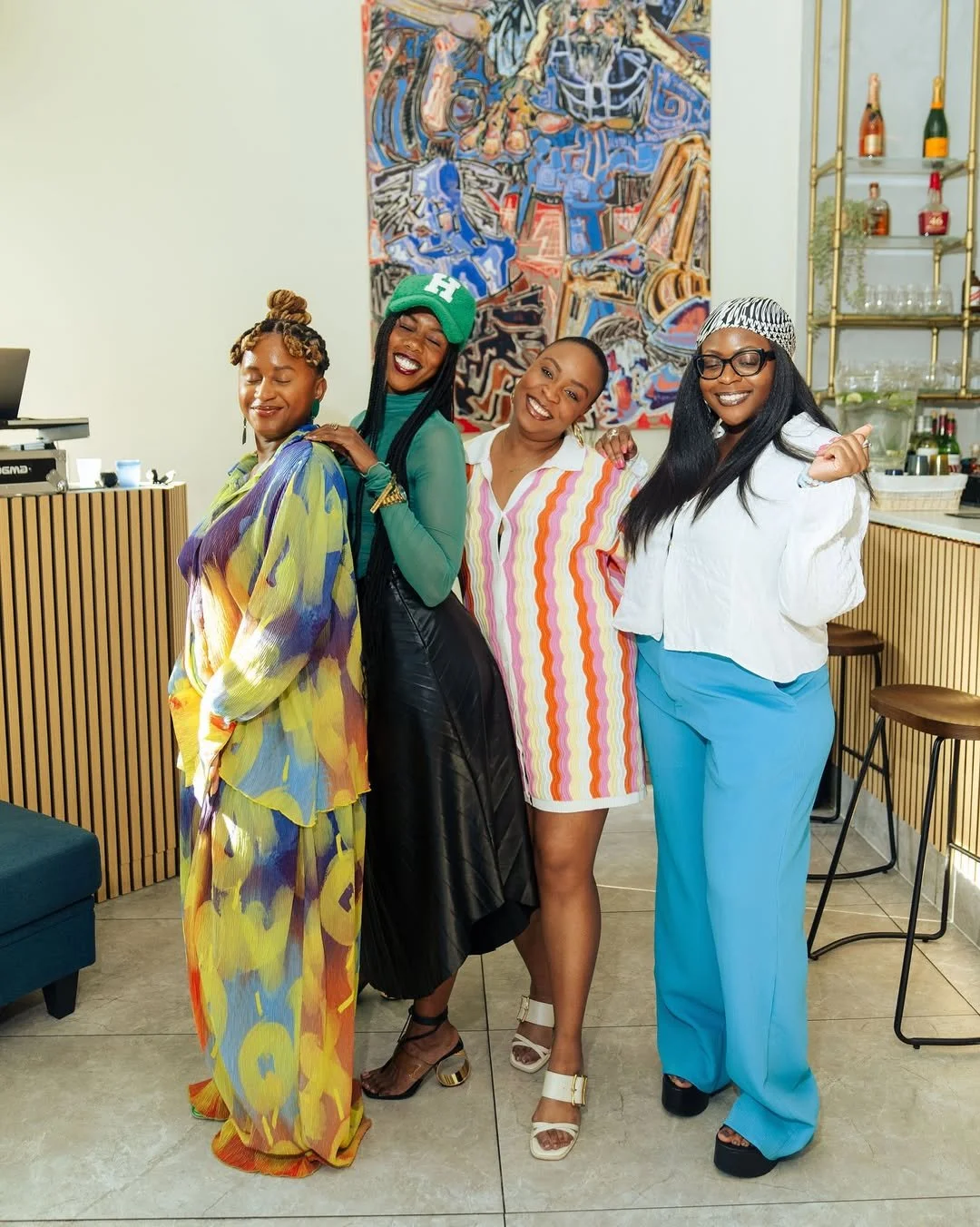
On February 24th, 2026, Oyinkan Olojede announced that she and her co-founders would be closing their creative agency, FourTwo Creative, after 6 years in business.
Instead of an abrupt goodbye, the Instagram post ended with an invitation: to join them in celebration at an in-person party.
In addition to hosting a “Closing Party”, they have been sharing work from their archives and have gone deeper into detail about what actually goes into shutting down a business.
Back in 2023, my team and I at The Brand Doula had the pleasure of working with the FourTwo team on their brand evolution. The brand playbook we created together outlined three brand pillars:
Bringing joy back into the creative process.
Depth as the standard.
Community is our driving force.
For the team, these pillars exist beyond theory. I witnessed firsthand how their principles became business practices and, ultimately, their exit strategy.
I am a huge proponent of orienting our careers around projects with lifecycles rather than linear models. I believe that before a project completes its lifecycle, it must go through a “Sunset” phase — a time of reflection, archiving, and celebration to honor and integrate what was completed before moving on. There isn’t a ton of practical advice or examples out there about how to do this when the time comes, though.
We’re so used to seeing people start things, and we’re even more familiar with the perfunctory Instagram text post announcing a business’s sudden and reluctant closure (or just straight up ghosting the account).
FourTwo provides us with an example of Sunsetting in the best way: loudly, proudly, and creatively. The team chose to lean into celebration and joy instead of doom and gloom, ending FourTwo’s story the same way they started it — in community and with ownership of their narrative.
It should be the standard to not only intentionally close chapters in our careers, but also take the time to treat that work with dignity and respect. To see it as still worthy and valuable not because it exists forever, but because it existed at all.
Even if we’re on board with the idea of closing chapters, definitively ending a career darling can still be quite difficult, especially with the social pressure to keep pushing, the connection you might still have to the work, and the discomfort of stepping into the unknown. Making a ceremony of the moment, through a party or another planned moment, could help offer the closure needed to process and ease the transition.
All of this is why I had to reach out to interview the team about their process of sunsetting their business — I am so grateful for their time and care in answering these questions. They had so much insight to share about how they’re moving through this moment, holding the complexities of celebrating what they’ve built, grieving its end, and looking forward to what’s next.
I think this conversation will be highly insightful and inspiring for anyone who feels they’re on the cusp of a career evolution. I hope it gives you permission to let chapters in your careers reach their natural conclusions and provides you with a potential path for honoring yourself and your work in the process.
Let’s get into it!
—
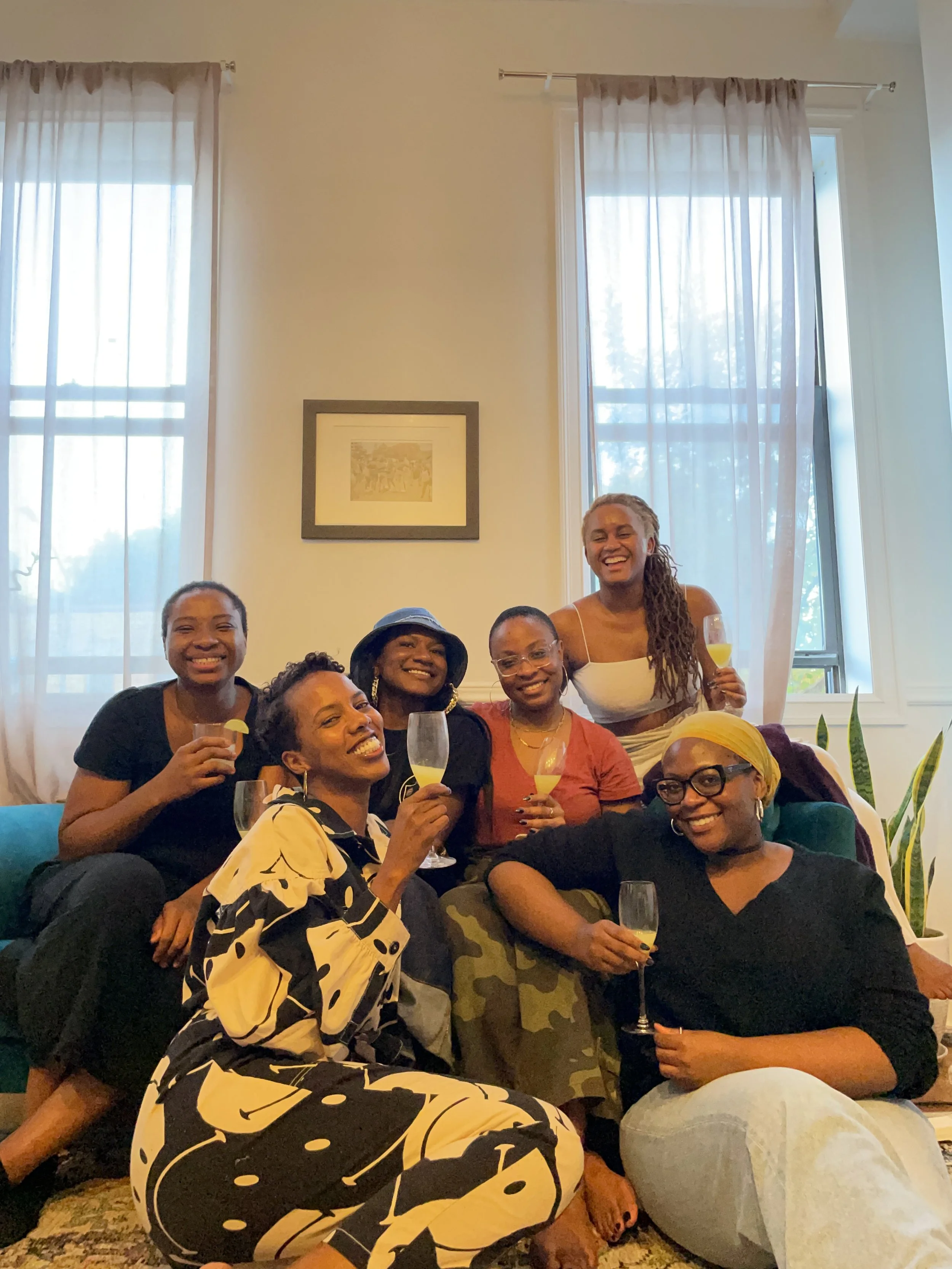
From left to right: Chika Okoli, Hanan Bashir Osman, Sinat Giwa, Antoinette Isama, Oyinkan Olojede, Damola Durosomo
What is FourTwo Creative? Where did the idea come from and what’s the story behind its name?
ALL: FourTwo Creative is a full-service creative agency building culturally relevant and inclusive brands through the power of storytelling. We started FourTwo to create spaces and moments that truly cater to us. We believe that storytelling has the power to shape new realities. We wanted to build a world in which Black people hold complete ownership of their stories and the way they are told.
We decided to start our agency after deeply looking into our diverse skillsets and how well we worked together. We felt a powerful force and wanted to ensure it didn’t go to waste! April 2nd was the day we first gathered to build the business, hence the name “FourTwo.” We started as a solid gang of six, and wanted to shout out our OG founders Chika Okoli and the late, great Sinat Giwa.
Before FourTwo Creative was founded, what were each of you doing?
Oyinkan Olojode: Before FourTwo was founded we were all working together at an independent media company. I was in charge of brand marketing, working across editorial, events, and e-commerce teams to create programs for the brand and lead creative strategy and production for all brand partnerships. I’d built my experience in startup environments with the most space to innovate.
Damola Durosomo: I have a background in journalism and international studies and worked as a senior staff writer covering all things African youth culture.
Antoinette Isama: I too have a background in journalism, magazine writing, international studies, and cultural anthropology. I worked as an arts and culture editor — commissioning and producing stories across editorial, social, and experiential.
Hanan Bashir Osman: I came from business operations and HR before stepping into media during the peak of the African crossover into global pop culture. I always felt like production and marketing found me through my search for more creative expansion. FourTwo really grounded me in both the business and the creative side of that path.
Looking back on the journey, what are you most proud of?
OO: I’m most proud of the global network of over 70+ creatives that we built and collaborated with across projects—putting our community’s expertise and voices at the forefront of everything we did.
DD: I am most proud of the fact that we were able to sustain ourselves solely on the business for as long as we did. It became our full-time work and it was very liberating to be our own bosses for so long. We built something that was a true reflection of our vision and values.
HBO: Looking back, I’m most proud that we took a chance on ourselves and built something rooted in creativity and curiosity; most importantly ownership. Starting our agency was about creating meaningful work for our community and for ourselves, while staying true to our vision and values throughout the journey.
AI: I’m most proud of our steadfast ability to create so much out of nothing—from unique campaigns and stacked creative teams, to authentic brands across industries. Our best work was produced during times of constraint and limited resources, and our impact can still be felt today.
What made this moment feel like the right time to sunset? What were the signs for you?
OO: As the industry shifted and our business model no longer felt sustainable—instead of pivoting away from Black audiences as our focus, we felt it was best to close this chapter on a high note and make space for what’s next for us in our respective journeys.
AI: Our efforts over the past year to connect with potential clients, land new opportunities, and go after countless programs to fund our vision to pivot unfortunately did not yield the results we worked so hard for. After much reflection and recapping, we had to face how tired we were and make room for something new.
Were those signs clear or did it take some time to arrive at this point?
OO: The signs were clear but it still took a lot of time to arrive at this point. Mainly because we were so attached to our vision and what we had built that we wanted to exhaust all our options first before coming to this decision.
DD: I think there was a point when we gave ourselves till the end of the year to decide if we wanted to continue, and when we revisited that conversation, it was clear that we were not in a place to continue as we had been. There were a lot of hard discussions, but in the end, it felt like the most honest thing to do was to shift our energy towards seeking work that better serves our needs at this time.
HBO: It became clear over time, but the signals were hard to ignore! Especially the shrinking cash flow and how increasingly difficult it was to bring in and retain clients. There were moments where we tried to problem-solve our way out of it, but eventually it wasn’t about ambiguity anymore, it was just a steady reality we had to face and be honest about.
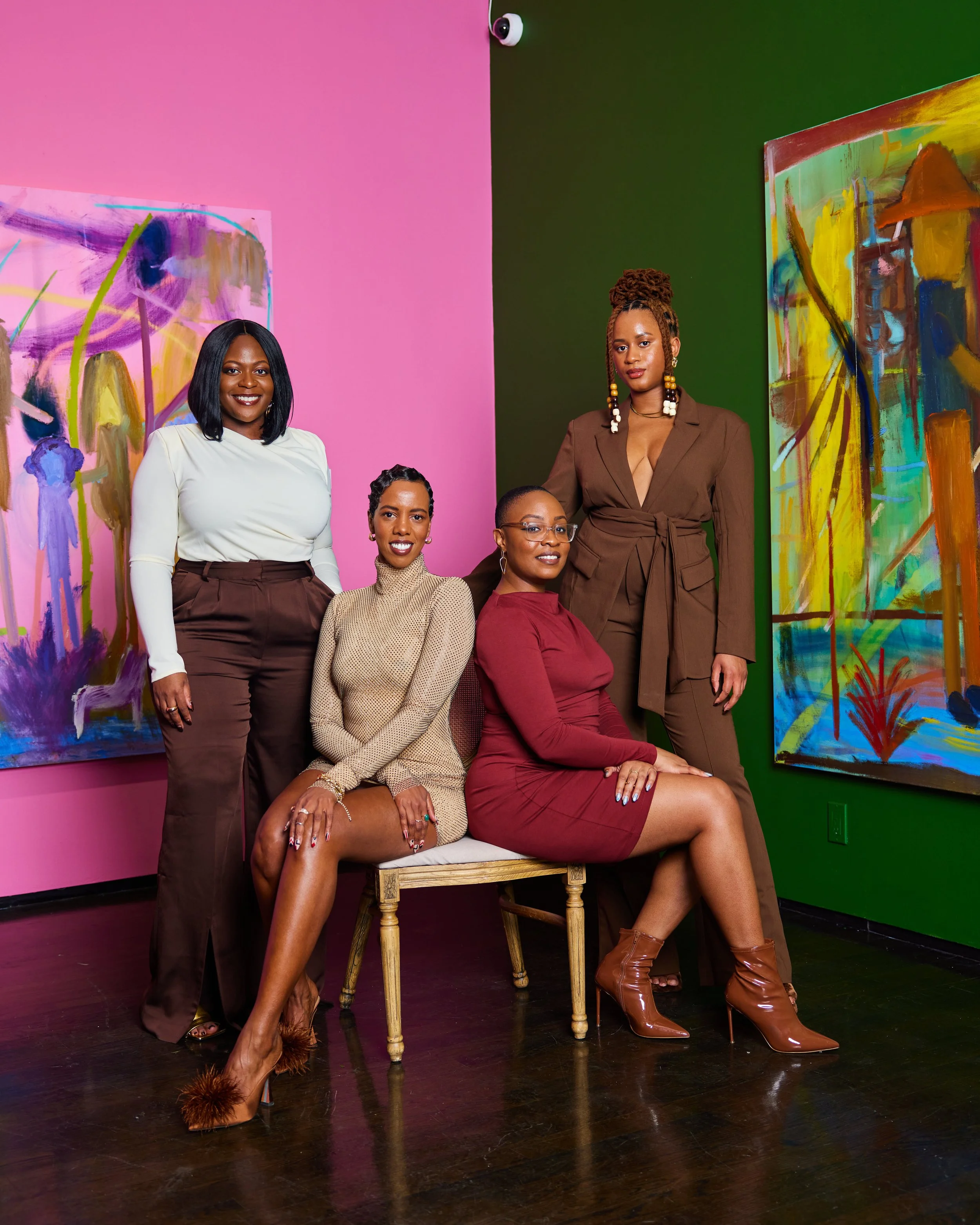
When a business closes, it is often treated with a sense of shame or embarrassment. It can seem like our only options are “failure” or “quitting”. I believe there’s a third option — conscious completion. Instead of quietly cutting your losses, you have been going on a celebration tour instead — hosting a party, sharing archives, detailing what led up to the decision to close. What discussions did you have that led to this energy of celebration vs shame?
OO: Love this question! It was important for us not to fade away but to honor what we’ve built by standing in front of our decision to close the business. We put so much heart and soul into building this and we’re proud of what we’ve done. It felt right to honor that work and also show people that conscious completion is a great choice to be able to make.
DD: Agreed—and I think leaning into celebration is more in-line with how we’ve always moved. There’s a spirit of fun and playfulness to our brand. I see this as a time to reflect on all the meaningful things we accomplished together. There’s been so much growth in this period personally and professionally and that to me is worth celebrating out loud.
HBO: What led us toward celebration instead of shame was recognizing how much meaning this chapter held for us. There was definitely grief in closing something we built with so much care, creativity, and intention, but also a deep sense of pride. It never felt like failure honestly, more like honoring a chapter that shaped us, while accepting that it was time for a new one. We also carried the feeling that there was still more we could have done, which made it even more important to close it with honesty, reflection, and gratitude.
AI: In addition to what the team said, consensus has always been foundational for us and it was a no-brainer to do right by our decision by being just as transparent at the end of our chapter like in the beginning. Our approach also represents a token of our gratitude to our community for riding with us and for their unending encouragement.
What has been the response to this approach? How has your community participated and held you in the process?
OO: The response has been an outpouring of love and support. It’s definitely a bittersweet experience to sunset something you’ve poured into, but our community has made every effort to reach out to us publicly and privately and share how much our work meant to them, and how much we have to be proud of. It really helped underline the success of what we did and reminded us that so many people were inspired and impacted by it.
DD: The people who have always supported us are still here, and I feel like they will continue to be part of our journeys. That’s a very uplifting feeling. Our community is the reason we made it this far and I hope they know how much that has meant to us.
HBO: The response was emotional. A lot of people reached out asking us not to close, telling us to rest, rebuild, and come back when we were ready. It reminded me that people really believed in what we built. At the same time, it was hard to speak about it openly. Part of me worried our closing would discourage others, and that made me sad. But I still believe what we built mattered deeply, even if it didn’t last forever.
Definitively ending a project that holds such significance can feel—as you’ve mentioned—bittersweet. In my case, I have to fight the urge to keep the door cracked open “juuuust in case.” What is helping you be decisive in this moment even while feeling a sense of grief?
OO: The idea of making space. Sometimes we have to fully let go to make space for something new. Energetically it’s helped to say we’re actually closing this business knowing that it doesn’t mean the end of our work.
DD: It feels like an end to the day-to-day responsibilities of running a business, but our mission is still very much alive, which to me is the most important part. I think we all want to continue this cultural work, it will just look different in the future.
HBO: A big part of what helped is accepting that passion and business, for us, are not the same thing—and they require different kinds of commitment. We cared deeply about FourTwo, but we also had to be honest about what it was and wasn’t sustaining. What’s made it possible to be decisive is allowing both truths to exist at once: the grief of closing something meaningful, and the clarity that holding on “just in case” would keep us from fully stepping into what’s next. It’s still bittersweet, but there’s also relief in choosing closure with intention instead of leaving it half-open.
AI: I find comfort in knowing that we gave it our absolute all. Building FourTwo and sustaining a sisterhood with these incredible women is a rare feat to experience in entrepreneurship, and knowing our impact and said sisterhood will still remain helps a lot as well.
For your closing party, you mentioned ticket sales will go toward helping with the costs of transitioning. Can you talk more about what actually goes into shutting down a business and what it costs?
ALL: On the practical side, there are final taxes, legal filings, and fees to formally close an LLC, often with support from accountants or legal advisors. Then there are ongoing operational costs—like cancelling or settling software subscriptions, contracts, and storage. We’ve also kept our website active because it’s tied to our work and archive, which means continued hosting and maintenance. And finally, there’s the time and cost of properly archiving everything we’ve built so it doesn’t get lost in the process.
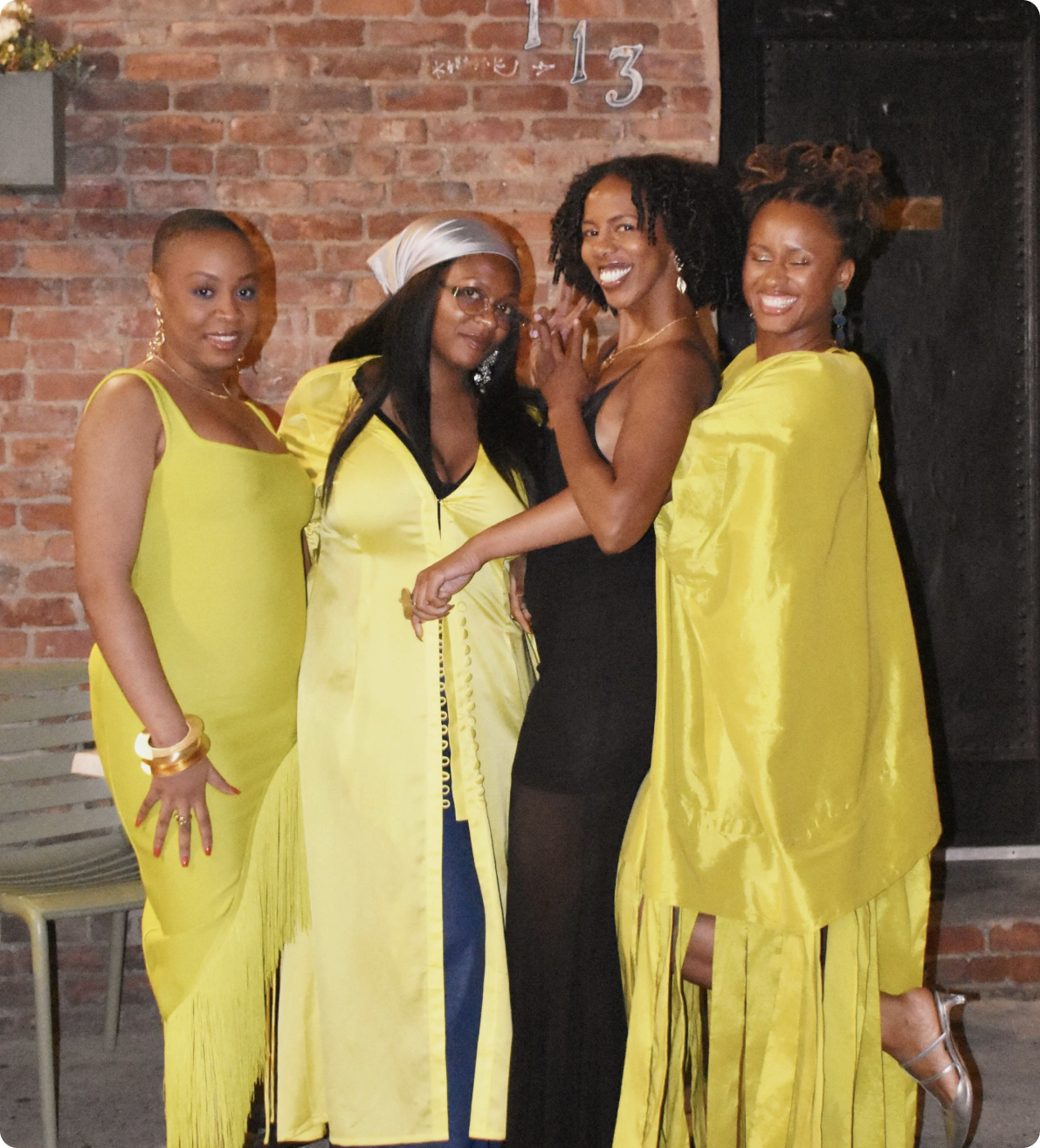
What is everyone doing next? What are you most looking forward to?
OO: I recently launched a clothing line with my mother called ENYA by Amma—I’m looking forward to leaning into this more and exploring a new creative venture. And what’s funny is that my partners have already been a part of this journey. We’ll continue to be collaborators beyond FourTwo.
DD: My plan as of right now is to go back to full-time work—I could really use the stability at this time. I also plan to keep exploring creative endeavours primarily for enrichment purposes. Writing will always be part of my life and I also want to explore jewelry design. Ultimately, I’m in pursuit of a soft life.
HBO: I’m looking forward to diving deeper into the art space and continuing to work as a creative producer through more contract-based roles. I’m excited to keep building within storytelling and culture-driven work, while also making more space for my own creative voice. A big goal for this next chapter is developing and executing my first film as a writer/director and expanding further into the storytelling world.
AI: I’m a year into leaning into DJing as my latest creative practice, which has been an eye-opening experience of utilizing other storytelling mediums I can sink my teeth into. Alongside locking in more stable opportunities in creative strategy and consulting, I’m hoping to return to my goals of writing and publishing books.
What’s one learning each of you will be bringing into your next chapter?
OO: Knowing when to pivot—understanding the difference between a commitment to your own creativity, your art, and your community and a commitment to taking your business through whatever shifts are needed. And having an exit plan.
DD: I feel more confident about trusting my intuition when it tells me that it’s okay to move in a new direction. I also learned that business and friendship can absolutely mix—having friendship as the foundation of our partnership has been everything to me.
HBO: One key learning is that we now understand business far more deeply than when we started, especially what it takes to build and sustain something. There’s also a new confidence in us as entrepreneurs. I feel more ready for a “round two” when the timing is right, with clearer perspective and stronger instincts.
AI: Speaking of confidence, I’m challenging myself to lead with my expertise and experience that was strengthened while building our business. Our knowledge, perspective, and experience hold great value, and I look forward to our next ventures reflecting that in an honest way.
Want to keep up with the team as they embark on their next adventures? Here’s where you can connect with each of them:
The Exit Interviews
The Exit Interviews is a collection of conversations with multi-hyphenates who have publicly “killed their darlings” — i.e. quit major career projects in order to make space for their own evolutions. These interviews unpack the strategy behind those decisions and show us what’s possible when we embrace endings in our careers.
This series is being released in preparation for Kill Your Darlings, a 2-week summer challenge for multi-hyphenates who need to prune their career portfolios and release past-peak projects. In a guided experience, participants will create their own Sunset Plans to thoughtfully end these projects and use them as leverage for what’s next.
Doors open July 2026, join the waitlist today to get early access to registration and more goodies leading up to kickoff!
DOORS OPEN JULY 2026KILL YOUR
DARLINGS
🔪
🌻